

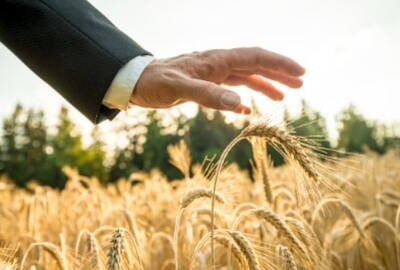


Agronomy
Definition of Agronomy
Agronomy is the branch of agricultural science that focuses on the production of crops and the management of soils to improve agricultural productivity, sustainability, and environmental stewardship. It combines knowledge from biology, chemistry, ecology, genetics, meteorology, and soil science to optimize crop growth, soil health, and farm management. Agronomy encompasses practices such as soil preparation, nutrient management, irrigation, pest and disease control, crop rotation, and the development of high-yield and resilient crop varieties.
Why Agronomy Matters
Agronomy matters because it underpins food security, resource efficiency, and sustainable farming systems. Through agronomic research and practices, farmers can increase crop yields, improve soil fertility, and reduce environmental impacts. Agronomy helps ensure that agricultural production meets the growing global demand for food, fibre, and bioenergy, while preserving natural resources for future generations.
Agronomy also plays a central role in addressing global challenges such as climate change, water scarcity, and land degradation. By applying science-based approaches, agronomists can promote sustainable management of crops and soils, mitigate greenhouse gas emissions, and support ecosystem restoration.
Furthermore, agronomy contributes to economic stability and livelihoods. Millions of people worldwide rely on agronomic innovations, research, and advisory services to improve productivity, reduce losses, and support agribusinesses and rural communities.
Absolutely — here are SEO-optimised FAQs tailored for your Agronomy key-terms page, plus a high-impact meta title and description designed to strengthen rankings and click-through rates.
These FAQs are built around real search intent: definition, role, practices, sustainability, careers, and comparisons.
Frequently asked questions on agronomy
What is agronomy?
Agronomy is the science and practice of crop production and soil management, focused on improving plant growth, yield, and farm efficiency through informed decision-making.
What does an agronomist do?
An agronomist advises on soil health, crop nutrition, pest and disease control, rotation planning, and input management to optimise crop performance and sustainability.
How is agronomy different from horticulture?
Agronomy typically focuses on field crops and large-scale farming systems, while horticulture deals with fruit, vegetables, ornamentals, and intensive plant cultivation.
Why is agronomy important in farming?
Agronomy improves yield potential, soil fertility, input efficiency, risk management and environmental performance, supporting profitable and sustainable farming.
What are the key areas of agronomy?
Key areas include soil science, plant nutrition, crop protection, water management, crop rotation and precision agriculture.
How does agronomy support soil health?
Agronomic practices such as balanced fertilisation, cover cropping, reduced tillage and organic matter management help maintain soil structure and fertility.
What role does agronomy play in sustainable farming?
Agronomy supports sustainability by improving resource efficiency, reducing unnecessary chemical inputs and enhancing long-term soil and crop resilience.
How does technology support agronomy?
Modern agronomy uses data analytics, precision agriculture tools, satellite imagery and soil sensors to make more accurate and efficient decisions.
Can agronomy help reduce environmental impact?
Yes — good agronomy reduces nutrient losses, pesticide overuse, soil degradation and water pollution, contributing to environmental stewardship.
What qualifications are needed to work in agronomy?
Agronomy careers often require degrees in agriculture, crop science, soil science or related fields, alongside practical field experience.
Related Terms
Agriculture – The practice of cultivating land to grow crops and raise animals.
Crop Rotation – Planning a sequence of crops on the same land to maintain soil fertility and reduce pests.
Soil Health – The health of soil properties, formation, and management for crop growth.
Horticulture – The science and practice of growing fruits, vegetables, and ornamental plants.
Sustainable Agriculture – Farming methods that protect resources for future generations.
Precision Agriculture – The use of technology to monitor and manage crops and soil for optimized production.
Useful Resources
Explore these authoritative resources to learn more about agronomy, crop management, and sustainable farming practices:
Agronomy – Wikipedia– Overview of agronomy, history, and modern applications.
Agronomy | Britannica – Clear, accessible explanation of agronomic principles and practices.
SRUC – Soils & Plants Research – Scotland’s Rural College conducts applied research on soils, crops, and plant systems to support sustainable agriculture, including soil health, nutrient management, and resilient cropping systems.
AHDB Agronomy Guides – The Agriculture and Horticulture Development Board provides UK-focused agronomy guides, technical advice, and research updates for cereals, oilseeds, potatoes, and other crops.
Agronomy (MDPI) – Open Access Journal– A widely indexed peer‑reviewed journal covering agronomy and agroecology research, useful for up‑to‑date scientific articles and trends in crop systems and soil management.
Agronomy Journal– One of the oldest and most established scientific journals in agronomy, publishing research on soil science, crop science, and production agriculture.
Agronomy for Sustainable Development– A high‑impact scientific journal focusing on crop systems within the context of sustainable agriculture and environmental interactions.
International Journal of Research in Agronomy – A monthly research journal covering a broad range of agronomic topics including crop physiology, soil interactions, and sustainable management.
Agronomy4Me.org – Educational agronomy resources geared toward students and teachers, with guides and career information about agronomy as a science and profession.
CGIAR Open Learning Portal (Excellence in Agronomy)– A free online platform offering courses and resources for agronomy learners worldwide, created by the CGIAR Initiative on Excellence in Agronomy.
Root2Res EU Research Partners– European collaborative research on roots, soil and crop performance.
Learn the meaning of more essential agricultural terms with our easy-to-use Key Terms glossary here
Our Industry Insights



Looking for
JOBS?