

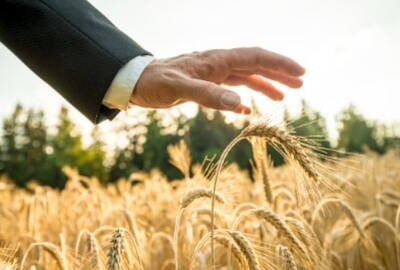


Crop Performance
Definition of Crop Performance
Crop performance describes how effectively a crop grows, develops, and delivers output across a growing season, taking into account yield, quality, consistency, and resilience. It reflects the combined influence of soil conditions, crop genetics, management practices, and environmental factors on how well a crop meets its intended production goals.
In agriculture, crop performance is used to assess how efficiently resources such as nutrients, water, and energy are converted into marketable produce, rather than focusing on yield alone.
Why Crop Performance Matters
Crop performance matters because it provides a broader picture of farm success than yield alone. Strong crop performance helps to:
Achieve reliable yields and consistent quality
Improve efficiency of inputs such as fertiliser and water
Increase resilience to weather and biological stress
Reduce production risk and variability
Support profitability and decision-making
Measure the impact of management practices over time
Poor crop performance can highlight constraints in soil, nutrition, or system design that limit productivity.
Key Factors Influencing Crop Performance
Soil Condition – Structure, fertility, and biological activity
Plant Health – Resistance to stress, pests, and disease
Nutrient and Water Management – Timing, balance, and availability
Crop Genetics and Variety Selection – Suitability to local conditions
Weather and Climate – Seasonal patterns and extreme events
Management Decisions – Establishment, protection, and harvest timing
Understanding these factors enables targeted improvements across the cropping system.
How Crop Performance Is Evaluated
Crop performance is commonly assessed using a combination of indicators, including:
Yield and yield stability
Crop quality and uniformity
Input efficiency and cost effectiveness
Stress tolerance and recovery
Consistency across seasons or fields
These measures help farmers and advisors refine practices and improve outcomes.
Frequently Asked Questions on Crop Performance
What is crop performance?
Crop performance refers to how well a crop grows and produces under specific conditions, considering yield, quality, resilience, nutrient efficiency and overall plant health.
How is crop performance measured?
Crop performance is measured using indicators such as yield per hectare, crop quality, growth rate, disease resistance, nutrient uptake efficiency and field variability data.
What factors affect crop performance?
Key factors include soil health, climate conditions, water availability, nutrient management, crop genetics, pest pressure and farming practices.
What is the difference between crop performance and crop yield?
Yield measures the quantity harvested, while crop performance includes broader indicators such as quality, resilience, efficiency and long-term productivity.
How can farmers improve crop performance?
Farmers can improve crop performance through precision agriculture, balanced fertilisation, improved seed varieties, soil management, irrigation planning and integrated pest management.
How does soil health influence crop performance?
Healthy soils support root development, nutrient availability, water retention and biological activity, all of which directly impact crop performance.
Does technology improve crop performance?
Yes — technologies such as data analytics, satellite imagery, soil sensors and AI-driven decision tools help optimise inputs and identify performance gaps.
How does climate change affect crop performance?
Climate change can influence performance through temperature stress, altered rainfall patterns, drought risk and increased pest and disease pressure.
Why is crop performance important for farm profitability?
Strong crop performance improves yield stability, quality premiums, input efficiency and overall return on investment.
Can sustainable farming improve crop performance?
Yes — sustainable practices such as crop rotation, cover cropping and soil conservation can enhance long-term crop performance and resilience.
Related Terms
Useful Resources on Crop Performance
Explore these trusted resources to learn more about crop performance assessment and improvement:
AHDB – Crop Benchmarking and Performance – Practical tools for UK growers
DEFRA – Crop Production and Productivity Data (UK) – National statistics
FAO – Crop Productivity and Performance– Global datasets and analysis
European Commission – Agricultural Productivity– EU performance indicators
USDA – Crop Performance and Production Data – Monitoring and forecasts
Our World in Data – Crop Yields and Productivity – Long-term trends
CABI – Crop Performance and Agronomy Research– Applied science
Rothamsted Research (UK) – Long-term cropping experiments
OECD – Agricultural Productivity Analysis– Policy and performance insights
CGIAR – Crop Improvement and Performance Research– Global research networks
Learn the meaning of more essential agricultural terms with our easy-to-use Key Terms Glossary here
Our Industry Insights



Looking for
JOBS?