

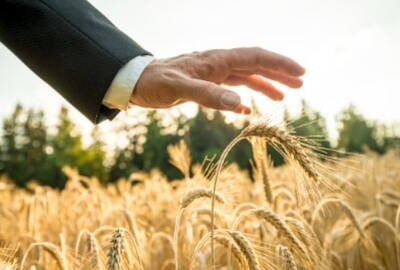


Food Safety
Definition of Food Safety
Food safety refers to the set of practices, standards, and controls that ensure food is handled, produced, processed, and distributed in ways that prevent contamination and reduce risks to human health. It addresses biological, chemical, and physical hazards that can occur at any stage of the food supply chain, from farm production through to consumption.
In agricultural systems, food safety begins on the farm, linking crop protection, animal health, hygiene, and biosecurity with downstream processing and retail standards.
Why Food Safety Matters
Food safety matters because unsafe food poses serious risks to public health, economic stability, and trust in food systems. Its importance includes:
Protecting consumers from foodborne illness
Safeguarding public health systems
Maintaining confidence in domestic and international food markets
Reducing food waste caused by contamination or spoilage
Supporting food security and nutrition outcomes
Ensuring compliance with legal and trade standards
Effective food safety systems help prevent outbreaks while supporting resilient and transparent supply chains.
Key Elements of Food Safety
Hazard Identification and Control – Managing biological, chemical, and physical risks
Hygiene and Sanitation – Clean handling, storage, and processing environments
Traceability – Ability to track food through the supply chain
Temperature Control – Safe storage, transport, and cooking conditions
Biosecurity and Animal Health – Preventing contamination at source
Regulation and Standards – Compliance with food safety laws and guidelines
Monitoring and Testing – Routine inspection and laboratory analysis
Frequently Asked Questions on Food Safety
What is food safety?
Food safety refers to the practices and regulations that ensure food is safe to consume by preventing contamination, illness and harmful substances throughout the supply chain.
Why is food safety important?
Food safety protects public health, consumer confidence, trade standards and the integrity of food systems.
What are common food safety risks?
Common risks include bacterial contamination, chemical residues, allergens, poor hygiene practices and improper storage conditions.
How is food safety regulated in the UK?
Food safety in the UK is regulated through national legislation, food hygiene standards and compliance with food safety authorities and inspection systems.
What is the difference between food safety and food security?
Food safety focuses on the quality and safety of food, while food security relates to access to sufficient food supply.
How does food safety apply to farming?
On farms, food safety includes biosecurity measures, responsible chemical use, hygiene standards and traceability systems.
What is HACCP in food safety?
HACCP (Hazard Analysis and Critical Control Points) is a structured system used to identify and manage food safety risks during production and processing.
How can farmers improve food safety?
Farmers can improve food safety through record keeping, safe storage, clean handling practices, staff training and regulatory compliance.
How does food safety affect global trade?
Food safety standards are essential for international trade, export certification and maintaining consumer trust across markets.
Is food safety linked to sustainability?
Yes — strong food safety systems reduce waste, contamination risk and supply chain disruption, supporting sustainable food production.
Related Terms
Useful Resources on Food Safety
Explore these authoritative resources to learn more about food safety standards, policy, and best practice across food systems:
World Health Organization (WHO) – Food Safety – Global guidance on foodborne disease prevention.
FAO – Food Safety and Quality – Agricultural and supply-chain perspectives on food safety.
Codex Alimentarius Commission – International food standards and safety codes.
Food Safety and Standards Agency – Policy guidance and regulatory oversight.
European Food Safety Authority (EFSA)– Scientific risk assessment and food safety advice.
USDA – Food Safety and Inspection Service (FSIS)– Standards and inspection frameworks.
CABI – Food Safety and Agricultural Risks – Research on contamination and control measures.
AGRIS – Food Safety Research Database– Peer-reviewed scientific literature.
The World Food Safety Organisation -a global network of partner companies and professionals committed towards a safer and healthier food supply.
International Association for Food Protection - A member-based association of more than 4,500 food safety professionals
Learn the meaning of more essential agricultural terms with our easy-to-use Key Terms Glossary here
Our Industry Insights


Looking for
JOBS?