

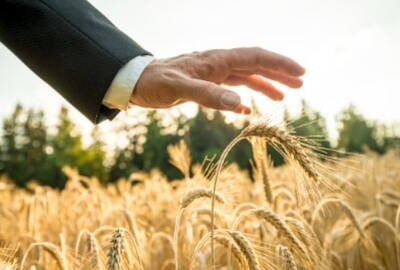


Horticulture
Definition of Horticulture
Horticulture is the science, art, and practice of cultivating plants for food, ornamental, and environmental purposes. It encompasses the growth and management of fruits, vegetables, flowers, ornamental plants, and landscaping greenery, integrating plant biology, soil management, pest control, and sustainable practices to maximise plant health and productivity.
Unlike broad-scale agriculture, horticulture often focuses on high-value, small-scale, and intensive cultivation, combining traditional methods with modern technologies such as hydroponics, controlled environment agriculture, and precision farming.
Why Horticulture Matters
Horticulture matters because it plays a critical role in food security, environmental sustainability, and human wellbeing. Effective horticultural practices help to:
Provide nutritious food – Supporting fruit and vegetable production for local and global markets
Enhance urban and rural environments – Supplying ornamental plants, landscaping greenery, and green spaces
Support livelihoods – Creating employment in nurseries, farms, landscaping, and agribusiness
Promote biodiversity and ecosystem health – Integrating pollinator-friendly practices and soil conservation
Advance sustainable farming – Using efficient resource management, reduced chemical inputs, and controlled-environment technologies
Horticulture bridges traditional agriculture, modern technology, and environmental stewardship, making it a cornerstone of resilient food and plant systems.
Key Principles of Horticulture
Plant Selection and Breeding – Choosing species and varieties suitable for climate, soil, and purpose
Soil and Nutrient Management – Maintaining soil health and providing balanced fertilisation
Irrigation and Water Efficiency – Applying water sustainably to meet plant needs
Pest and Disease Management – Implementing integrated approaches to protect crops
Controlled Environment Cultivation – Using greenhouses, hydroponics, or vertical farming to optimise growth
Pruning, Training, and Harvesting – Enhancing productivity, aesthetics, and plant health
Sustainable and Resource-Efficient Practices – Minimising environmental impact and maximising yield
Types of Horticulture
Horticulture is a diverse field that covers a wide range of plant production systems. It is generally divided into several specialist areas, each focused on different crop types and purposes.
Pomology (Fruit Production)
Pomology focuses on the cultivation of fruit crops such as apples, pears, berries, citrus fruits and stone fruits. It includes orchard management, pruning, pollination strategies, pest control and harvest optimisation to improve fruit quality and yield.
Olericulture (Vegetable Production)
Olericulture involves the production of vegetables for fresh markets and processing. Crops include leafy greens, root vegetables, legumes and brassicas. This branch emphasises soil fertility, irrigation management, crop rotation and disease control.
Floriculture (Flowers and Ornamentals)
Floriculture specialises in the growing of flowering plants and ornamental species for gardens, landscaping and commercial sale. It includes cut flowers, potted plants and bedding plants, often produced in greenhouses or controlled environments.
Landscape Horticulture
Landscape horticulture focuses on the design, establishment and maintenance of plants in public and private spaces. It integrates plant selection, aesthetic design, environmental sustainability and long-term site management.
Arboriculture (Tree Management)
Arboriculture deals with the care and management of trees in urban and rural settings. It includes tree health monitoring, pruning, planting strategies and risk assessment.
Protected and Controlled Environment Horticulture
This area involves growing crops in greenhouses, polytunnels or vertical farming systems, where temperature, light and nutrients are carefully regulated to optimise growth and productivity.
Why Understanding the Types of Horticulture Matters
Recognising the different types of horticulture helps clarify how plant production supports:
Food security through fruit and vegetable production
Economic development through commercial plant industries
Urban sustainability through landscape and tree management
Innovation through controlled environment systems
Each branch plays a distinct role in sustainable agriculture and modern food systems.
Frequently Asked Questions on Horticulture
What is horticulture?
Horticulture is the branch of agriculture focused on growing fruits, vegetables, flowers and ornamental plants for food, landscaping and commercial use.
What are the main types of horticulture?
The main types include pomology (fruit growing), olericulture (vegetable production), floriculture (flowers and ornamentals) and landscape horticulture.
How is horticulture different from agriculture?
Agriculture covers large-scale crop and livestock production, while horticulture focuses on intensive cultivation of high-value crops such as fruit, vegetables and ornamental plants.
What crops are grown in horticulture?
Horticultural crops include apples, berries, tomatoes, leafy greens, herbs, flowers and ornamental shrubs.
Is horticulture sustainable?
Horticulture can support sustainability through efficient water use, integrated pest management, soil health practices and controlled environment production systems.
What is commercial horticulture?
Commercial horticulture refers to the large-scale production and sale of fruits, vegetables and ornamental plants for retail and wholesale markets.
How does technology support horticulture?
Modern horticulture uses greenhouses, hydroponics, automation, climate control systems and precision nutrient management.
What skills are needed in horticulture?
Skills include plant science knowledge, crop management, pest control, irrigation planning and supply chain awareness.
How does horticulture contribute to food security?
Horticulture contributes to food security by providing nutritious fresh produce and supporting local food systems.
What is the role of horticulture in urban farming?
Horticulture supports urban farming through greenhouses, vertical growing systems and community garden initiatives.
Related Terms
Vegetable Farming
Fruit Production
Useful Resources on Horticulture
Explore these authoritative resources to learn more about horticulture, plant cultivation, and sustainable crop production:
FAO – Horticulture– Guidance on global horticultural practices, sustainability, and food security.
Royal Horticultural Society (RHS) – Practical advice, research, and education on horticulture and ornamental plants.
GOV.UK – Horticulture Statistics– Official data on fruit, vegetable, and ornamental crop production in the UK.
Horticulture Research | Oxford Academic - an open access journal, committed to publishing original research and reviews on novel discoveries across all major horticultural disciplines.
Learn the meaning of more essential agricultural terms with our easy-to-use Key Terms glossary here
Our Industry Insights



Looking for
JOBS?