

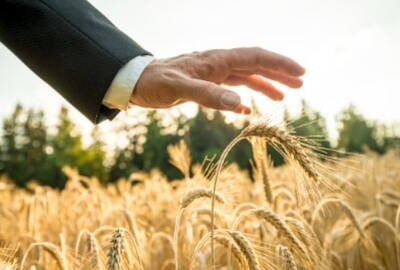


Intensive Farming
Definition of Intensive Farming
Intensive farming is an agricultural production system that maximises output from a limited area of land through high levels of inputs, technology, and management control. It is used in both crop and livestock production and typically involves concentrated use of labour, feed, fertilisers, water, and capital to achieve high yields or productivity per unit area.
In modern agriculture, intensive farming is characterised by precision management, controlled environments, and standardised practices designed to increase efficiency and reduce production costs.
Why Intensive Farming Matters
Intensive farming matters because it plays a key role in meeting global food demand, particularly in regions with limited land availability. Its significance includes:
High productivity per hectare or per animal
Efficient use of land resources
Consistent food supply and market stability
Economic efficiency and scalability
Integration of technology and data-driven management
At the same time, intensive farming raises important considerations around environmental impact, animal welfare, and long-term sustainability, making it central to agricultural policy and debate.
Key Characteristics of Intensive Farming
High Input Use – Fertilisers, feeds, energy, and water applied at concentrated levels
Specialised Production Systems – Focus on specific crops or livestock types
Controlled Conditions – Use of housing, irrigation, or climate control
Advanced Technology – Automation, sensors, and precision agriculture tools
Standardised Practices – Uniform methods to optimise output
High Stocking or Planting Density – Maximising production per unit area
Frequently Asked Questions on Intensive Farming
What is intensive farming?
Intensive farming is an agricultural system that aims to maximise production from a given area of land through high input use, technology and efficient management practices.
How does intensive farming differ from extensive farming?
Intensive farming uses higher stocking densities, fertilisers and technology, while extensive farming relies on larger land areas with lower input levels.
What are examples of intensive farming?
Examples include high-density livestock operations, large-scale monoculture cropping and greenhouse-based horticulture systems.
Why is intensive farming important?
Intensive farming increases food production, supply chain efficiency and economic output, helping meet growing global food demand.
What are the environmental impacts of intensive farming?
Potential impacts include soil degradation, water pollution, greenhouse gas emissions and biodiversity loss, depending on management practices.
Is intensive farming the same as factory farming?
Factory farming is a form of intensive livestock production, but intensive farming can also apply to crop systems and protected horticulture.
Can intensive farming be sustainable?
Sustainability can be improved through precision agriculture, nutrient management, emissions reduction and integrated pest management.
How does intensive farming affect animal welfare?
Animal welfare outcomes depend on management standards, housing conditions and regulatory compliance within intensive systems.
How does intensive farming influence food security?
By increasing output per hectare, intensive farming supports food availability and market supply stability.
What role does technology play in intensive farming?
Technology such as automation, data analytics, precision spraying and climate-controlled environments helps optimise efficiency and productivity.
Related Terms
Livestock Management
Useful Resources on Intensive Farming
Explore these authoritative resources to learn more about intensive agricultural systems, productivity, and sustainability challenges:
FAO – Livestock Production Systems– Overview of intensive and extensive livestock models.
Compassion in World Farming- Campaign and reasons to end factory farming.
Our World in Data – Meat, Dairy and Farming Systems– Data on production efficiency and environmental trade-offs.
Gov.UK – Intensive Farming and Animal Welfare (UK)– UK regulations and guidance.
European Commission – Animal Welfare and Farming Systems– EU policy on intensive livestock systems.
USDA – Animal Production and Management– Research and guidance on large-scale livestock systems.
AGRIS – Livestock Systems Research Database– Peer-reviewed studies on farming models.
World Organisation for Animal Health (WOAH)– Welfare standards applicable to intensive systems.
World Animal Protection- tackling the root causes of animal exploitation and abuse.
World Bank – Agricultural Productivity and Sustainability – Economic perspectives on intensification.
Learn the meaning of more essential agricultural terms with our easy-to-use Key Terms Glossary here
Our Industry Insights


Looking for
JOBS?