

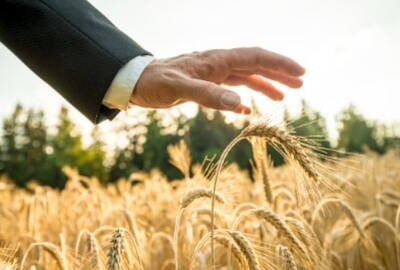


Smart Farming
What is Smart Farming?
Smart farming is the integration of advanced digital technologies into agricultural production to improve efficiency, sustainability, profitability and decision-making across farming operations.
It combines tools such as precision sensors, GPS mapping, data analytics, artificial intelligence (AI), automation, robotics and connected farm management systems to optimise crop and livestock performance in real time.
Unlike traditional mechanisation, smart farming is data-driven. It enables farmers and agribusinesses to make evidence-based decisions using live field, soil, weather, and animal data — rather than relying solely on experience or historical patterns.
Smart farming is often used interchangeably with terms such as:
Precision Agriculture
Digital Farming
AgriTech
Connected Agriculture
Agriculture 4.0
However, smart farming refers more broadly to the entire ecosystem of intelligent, connected agricultural systems.
How Smart Farming Works
Smart farming systems collect, analyse and apply data from multiple sources, including:
IoT sensors measuring soil moisture, nutrient levels and temperature
Satellite and drone imagery for crop health monitoring
Livestock wearables tracking movement, health and feed efficiency
GPS-guided machinery for precision planting and input application
Farm management software platforms integrating operational data
AI-powered analytics tools for predictive yield modelling
This data is processed in real time, allowing farmers to:
Apply fertiliser only where needed
Reduce pesticide use through targeted application
Detect livestock illness earlier
Improve irrigation efficiency
Forecast yields more accurately
Reduce operational costs
Why Smart Farming Matters
Smart farming plays a critical role in addressing modern agricultural challenges:
Food Security - With global population growth, farmers must produce more with fewer resources.
Sustainability & Net Zero - Smart systems reduce chemical inputs, water waste and carbon emissions.
Profitability - Improved data reduces inefficiencies and protects margins in volatile markets.
Labour & Skills Gaps -Automation and robotics help offset agricultural labour shortages.
Regulatory & Environmental Compliance - Digital traceability improves reporting and supply chain transparency.
Careers in Smart Farming
As a rapidly expanding sector, smart farming is creating demand for professionals in:
Agricultural data analysis
Precision agronomy
Farm technology sales
AgriTech engineering
Robotics development
Digital transformation consultancy
Sustainable farming advisory
Smart farming sits at the intersection of agriculture, technology and sustainability — making it one of the fastest-growing areas in modern agribusiness.
Frequently Asked Questions on Smart Farming
What is the difference between smart farming and precision agriculture?
Precision agriculture typically refers to site-specific crop management using GPS and mapping tools. Smart farming is broader and includes automation, AI, livestock monitoring, robotics and integrated digital farm management systems.
How does smart farming improve sustainability?
Smart farming reduces waste by applying inputs only where needed. It improves soil health monitoring, lowers chemical runoff, optimises water usage and supports carbon footprint measurement.
What technologies are used in smart farming?
Common technologies include:
Internet of Things (IoT) sensors
Artificial Intelligence (AI)
Drones and satellite imaging
GPS and auto-steer machinery
Robotics
Livestock health monitoring systems
Farm management software
Is smart farming expensive to implement?
Initial investment can vary significantly depending on technology type. However, many farmers report long-term cost savings through improved efficiency, reduced input use and increased yields.
How does smart farming help livestock management?
Wearable sensors and monitoring systems track animal movement, feeding behaviour, fertility cycles and early signs of illness, improving welfare and productivity.
What is Agriculture 4.0?
Agriculture 4.0 refers to the fourth agricultural revolution — the integration of digital technologies, automation and connected data systems into farming operations. Smart farming is a core component of Agriculture 4.0.
Related Terms
Useful Resources on Smart Farming:
For further reading and sector insights:
Our Industry Insights


Looking for
JOBS?