

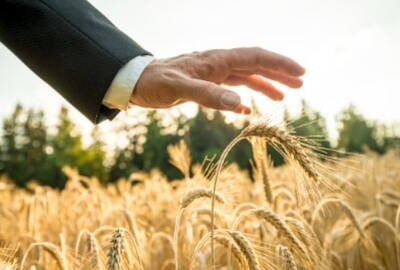


Regenerative Agriculture
Definition of Regenerative Agriculture
Regenerative agriculture is a farming approach that aims to restore and enhance the natural systems on which agriculture depends, rather than simply maintaining them. It focuses on rebuilding soil health, increasing biodiversity, improving water cycles, and strengthening ecosystem function while producing food, fibre, and other agricultural products.
In practice, regenerative agriculture emphasises biological processes and long-term land stewardship, using management strategies that improve soil structure, organic matter, and resilience across seasons and generations.
Why Regenerative Agriculture Matters
Regenerative agriculture matters because many conventional farming systems have led to soil degradation, biodiversity loss, and reduced ecosystem resilience. Its importance includes:
Restoring soil fertility and biological activity
Improving water infiltration and drought resilience
Enhancing biodiversity above and below ground
Reducing reliance on synthetic inputs
Supporting climate mitigation through carbon storage
Building long-term farm productivity and resilience
By strengthening natural processes, regenerative systems can deliver both environmental and economic benefits.
Core Principles of Regenerative Agriculture
Soil Cover – Minimising bare soil through cover crops or residues
Minimal Soil Disturbance – Reduced or no tillage
Diversity – Crop rotations, intercropping, and mixed species systems
Living Roots – Maintaining active plant roots for much of the year
Integrated Livestock – Managed grazing to support nutrient cycling
Adaptive Management – Continuous monitoring and improvement
Regenerative vs Organic vs Sustainable Farming
Feature | Regenerative Agriculture | Organic Farming | Sustainable Farming |
|---|---|---|---|
Core Focus | Restoring and improving ecosystems | Avoiding synthetic inputs | Maintaining long-term productivity |
Soil Health | Central priority (active soil regeneration) | Important but input-focused | Important but system-dependent |
Use of Synthetic Inputs | May allow limited use | Strictly restricted | Can include synthetic inputs |
Certification | No universal standard | Regulated and certified | No single global certification |
Carbon Sequestration | Strong emphasis on soil carbon storage | Not always central | May include emissions reduction |
Biodiversity | High emphasis on diversity and ecosystem design | Encouraged through organic practices | Encouraged depending on system |
Livestock Integration | Often integrated | Allowed under organic standards | Depends on farm model |
Primary Goal | Regenerate degraded land | Produce food without synthetic chemicals | Balance productivity and environment |
Key Distinction
Regenerative agriculture improves ecosystems
Organic farming restricts inputs
Sustainable farming maintains balance
Frequently Asked Questions on Regenerative Agriculture
What is regenerative agriculture?
Regenerative agriculture is a farming approach focused on restoring soil health, increasing biodiversity and improving ecosystem resilience.
How is regenerative agriculture different from sustainable farming?
Sustainable farming aims to maintain current conditions, while regenerative agriculture seeks to actively improve and restore degraded land.
What are the core principles of regenerative agriculture?
Key principles include minimal soil disturbance, continuous ground cover, crop diversity and integrated livestock systems.
How does regenerative agriculture improve soil health?
Practices such as cover cropping and reduced tillage build soil organic matter, microbial activity and nutrient cycling.
Does regenerative agriculture increase carbon sequestration?
Yes — regenerative practices can enhance soil carbon storage, contributing to climate mitigation efforts.
Is regenerative agriculture the same as organic farming?
Not necessarily — regenerative agriculture focuses on ecological outcomes, while organic farming is defined by input restrictions and certification standards.
Can regenerative agriculture improve crop yields?
Results vary, but improved soil structure and resilience can support stable yields over time.
What crops are used in regenerative systems?
Regenerative systems often include cover crops, diverse rotations, perennial species and mixed crop–livestock integration.
Is regenerative agriculture commercially viable?
Many farmers report improved long-term efficiency and reduced input costs, though transition periods may require adaptation.
How does regenerative agriculture support biodiversity?
Diverse planting and reduced chemical use create habitats for pollinators, beneficial insects and wildlife.
Related Terms
Useful Resources on Regenerative Agriculture
Explore these authoritative resources to learn more about regenerative farming principles, research, and real-world applications:
FAO – Regenerative Agriculture– Global guidance on regenerative agriculture, including data, news and publications.
Regenerative Organic Alliance – Standards and certification frameworks.
CABI – Regenerative Agriculture Research – Evidence-based studies and case examples.
Our World in Data – Soil Carbon and Agriculture– Data on soils and climate mitigation.
DEFRA – Sustainable Farming and Soil Management (UK)– Policy and incentive frameworks.
IPCC – Land and Climate Change Reports– Scientific assessments relevant to regeneration.
USDA – Soil Health and Conservation Practices – Practical guidance for farmers.
AGRIS – Regenerative Agriculture Literature– Peer-reviewed research database.
Savory Institute – Regenerative Grazing and Land Management– Training and field programmes.
The Regenerative Agriculture Alliance- designed to build a regenerative, equitable, and socially just agriculture sector.
European Alliance for Regenerative Agriculture- an independent farmer-led coordination, advocacy and collective action organisation of the movement of regenerative agriculture at the European level.
Learn the meaning of more essential agricultural terms with our easy-to-use Key Terms Glossary here
Our Industry Insights


Looking for
JOBS?