

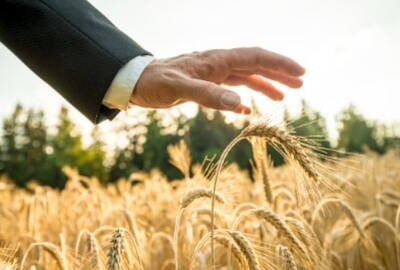


Agroecology
Definition of Agroecology
Agroecology is an approach to agriculture that applies ecological principles to the design and management of food and farming systems. It views farms as living ecosystems, where crops, animals, soils, people, and the wider environment interact. Rather than maximising short-term outputs, agroecology focuses on long-term resilience, ecological balance, and social sustainability.
Agroecology integrates scientific knowledge, traditional farming practices, and local context, aiming to reduce external inputs, enhance biodiversity, and strengthen natural processes such as nutrient cycling, pollination, and biological pest control.
Why Agroecology Matters
Agroecology matters because it offers a system-level alternative to input-intensive agriculture, addressing environmental, social, and economic challenges simultaneously. It helps to:
Build resilient food systems that can adapt to climate change and market shocks
Improve soil health and biodiversity through diversified farming practices
Reduce reliance on synthetic fertilisers and pesticides
Support farmer livelihoods and food sovereignty
Protect ecosystems and natural resources while maintaining productivity
As pressure grows on land, water, and climate systems, agroecology provides a framework for producing food in harmony with nature.
Key Principles of Agroecology
Biodiversity and Diversification – Using crop diversity, rotations, intercropping, and agroforestry
Soil Health and Regeneration – Enhancing organic matter, soil life, and structure
Ecological Pest Management – Relying on natural enemies and ecosystem balance
Nutrient Cycling – Recycling organic matter and reducing external inputs
Climate Resilience – Designing systems that buffer against droughts, floods, and temperature extremes
Local Knowledge and Participation – Valuing farmer experience and community-based solutions
Social and Economic Equity – Supporting fair livelihoods and sustainable rural development
Frequently Asked Questions on Agroecology
What is agroecology?
Agroecology is an approach to farming that applies ecological principles to agricultural systems, focusing on biodiversity, resilience, natural processes, and sustainable resource use rather than solely on production metrics.
How is agroecology different from conventional agriculture?
Unlike conventional agriculture, which often prioritises yield and input use, agroecology emphasises ecosystem health, biodiversity, nutrient cycling, and reduced reliance on synthetic inputs.
What are the key principles of agroecology?
The key principles include diversity, system integration, resilience, recycling of nutrients, efficient resource use, and adaptation to local conditions.
Can agroecology improve soil health?
Yes — agroecological practices such as cover cropping, crop rotation, reduced tillage and organic amendments support soil structure, organic matter and biological activity.
How does agroecology support biodiversity?
By increasing species diversity in crops, habitats and organisms, agroecology creates more resilient systems that support beneficial insects, wildlife and soil microbes.
Is agroecology economically viable for farmers?
Agroecology can be economically viable — especially when producers benefit from reduced input costs, diversified income streams and access to specialised markets.
What practices are common in agroecology?
Common practices include polycultures, intercropping, agroforestry, integrated pest management (IPM) and soil-building techniques.
How does agroecology contribute to sustainability?
Agroecology supports sustainability by reducing dependence on synthetic inputs, improving resource efficiency and enhancing ecological balance within farming landscapes.
What’s the difference between agroecology and regenerative agriculture?
While both share sustainable goals, agroecology emphasises ecological theory and social context, whereas regenerative agriculture focuses on practical soil and ecosystem restoration techniques.
How can farmers start with agroecological practices?
Farmers can begin by increasing crop diversity, improving soil organic matter, integrating livestock, and adopting context-specific ecological practices.
Related Terms
Useful Resources on Agroecology
Explore these authoritative resources to learn more about agroecology, ecological farming systems, and sustainable food production:
FAO – Agroecology Knowledge Hub – Global reference for agroecological principles, policies, and case studies.
IPES-Food – Agroecology Reports – Independent science-based analysis of food systems and agroecological transitions.
UN Environment Programme (UNEP)– Resources on ecosystem-based approaches to agriculture and land use.
Our World in Data – Food Systems and Sustainability – Data and analysis relevant to agroecology and environmental impacts.
AGRIS – Agroecology Research Database – Peer-reviewed studies and technical research on agroecological farming.
IFOAM Organics International– Guidance linking agroecology, organic farming, and ecological food systems.
European Agroecology Network – Research, policy, and innovation in agroecology across Europe.
Rodale Institute – Regenerative and Agroecological Farming – Practical research on soil health and diversified systems.
International Panel of Experts on Sustainable Food Systems (IPES-Food) – Policy-focused insights on agroecology and food system reform.
Soil Association – Agroecological Farming – UK-focused guidance on ecological and nature-friendly farming practices.
AE4EU - Agroecology for Europe - a European network on agroecology to accelerate the transition towards sustainable agriculture and food systems.
Agroecology Europe- The European association for Agroecology.
Learn the meaning of more essential agricultural terms with our easy-to-use Key Terms glossary here
Our Industry Insights



Looking for
JOBS?